Women hold more cash, invest less, and face persistent gender wealth gaps; the gender investment gap, the pensions gap, and the confidence gap. The Government’s decision to cap Cash ISA subscriptions at £12,000 from April 2027 has generated plenty of debate. Some see it as restrictive. I see it as a good thing.
For women, who tend to save more in cash and hesitate when it comes to investing, this change is an opportunity to build long-term wealth. But that opportunity will only be realised if providers radically improve the experience of moving from cash savings to investing.
As highlighted in @Antonietta Price’s, Women and Wealth: Empowering Women to Manage Their Wealth with Confidence, this is not about capability. Women handle complex financial decisions every day. It is about relevance, communication, and support.
So, how do we help women move confidently from cash to investing when the rules change?
I think the answer lies in bold and meaningful change across the entire provider ecosystem.
Streamlining the Switch: What Providers Must Do Now
When the new limit comes into force, providers cannot simply update product pages. The market will divide into those who make switching effortless and empowering, and those who lose customers to competitors who have.
Women’s investment potential is huge. Providers have the chance to unlock it.
- Make the journey from the Cash ISA to the Stocks & Shares ISA frictionless
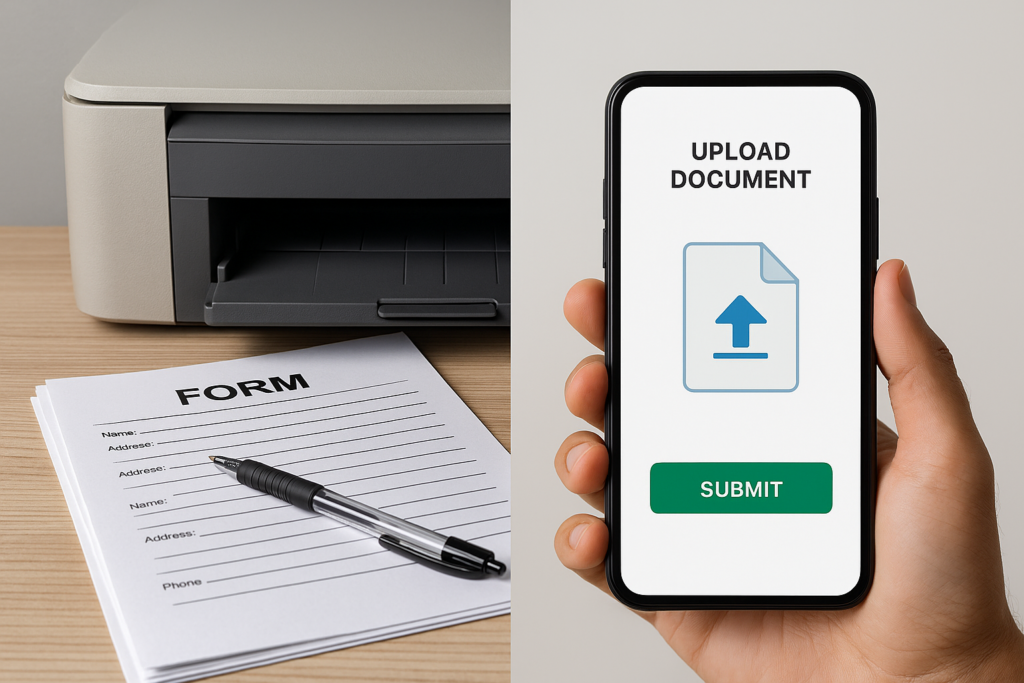
Many ISA transfer journeys today are slow, paper-based, jargon-heavy, and off-putting. This disproportionately affects women, who value clarity, certainty, and simplicity.
Providers should immediately begin redesigning:
- Single, fully digital transfer journeys – a seamless flow where customers can move money between their Cash ISA and Stocks & Shares ISA in minutes, not days, without paperwork, PDFs, or manual checks.
- Pre-filled details – reduce admin barriers by auto-populating personal and account data.
- Real-time transfer tracking – visibility equals confidence. Customers should see each step of the switch with estimated timelines.
- “One-click” top-up options – when the £12,000 Cash ISA cap is hit, offer a clear, intuitive prompt to invest the remainder.
- Reimagine communications to empower
Traditional ISA communications lean heavily on dense risk warnings and technical information. But research shows improved, clearer warnings boost women’s investing rates significantly.
- Replace jargon with plain language and relatable examples.
- Explain risk in context – not as danger, but as part of achieving long-term goals.
- Highlight that women are strong long-term investors and often outperform men.
- Use behavioural science – nudges, prompts, supportive framing.
- Tailor investment journeys to life stages
Women’s financial experiences differ – career breaks, caregiving, perimenopause, flexible working patterns, and these life events shape investment confidence.
- Offer life-stage pathways (early career, midlife, pre-retirement).
- Show personalised projections tailored to uneven earnings or contributions.
- Provide micro-investing features to build confidence gradually.
- Deliver optional adviser support or digital coaching.
- Offer proactive support
The ISA change gives providers licence, and responsibility, to be proactive.
- Identify customers (especially women) with consistently high cash balances.
- Notify them when approaching the £12,000 limit.
- Clearly explain the remaining allowance and its investment potential.
- Offer optional guidance calls or digital “side-by-side” comparisons.
Reducing the Cash ISA cap nudges, encourages, and enables women to invest. And with women set to hold a growing share of UK wealth in the coming years, the timing could not be more significant.
Women who are already investing are great investors. The industry now needs to make it easier for more women to get started.
2027 is not far away. Providers who invest now in better journeys, clearer communication, and more inclusive design will not only support women more effectively, they’ll build trust, loyalty, and long-term customer relationships.
This is a moment of opportunity.
At Simplify, we can provide you with practitioner-led expertise to offer insights and recommendations to transform your transfer journey. Get in touch to see how we can help you.

Natasha Bridgewater
Lead Consultant