ISA reforms, due in April 2027 and supported by the government’s ‘Savvy the Squirrel’ campaign launched on 23rd April 2026, signal a clear intention to reshape savings behaviour in the UK. Backed by 20 of the UK’s top Financial Services firms, the reforms aim to address what many see as a persistent imbalance between saving and investing.
At the heart of the reforms is a simple premise: while ISAs already offer tax advantages to savers, these benefits are not always used in ways that maximise long-term growth. The Investment Association has highlighted that Stocks and Shares ISAs remain underutilised despite their uniquely generous tax breaks. This suggests that, historically, customers have not fully embraced the potential of investment as a means of building wealth.
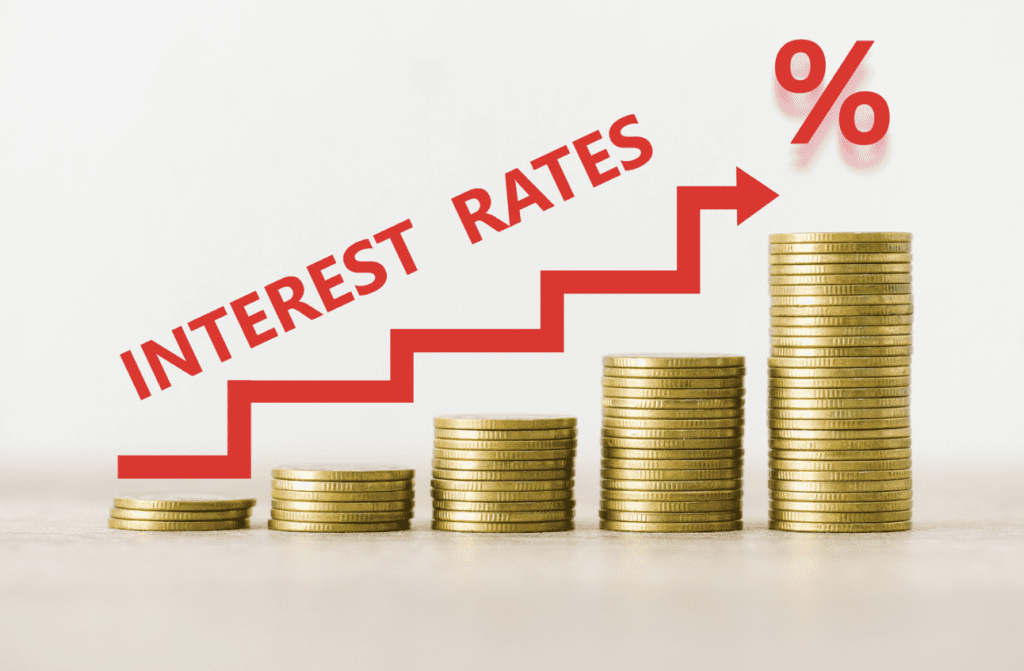
The government’s approach is to encourage greater participation in equities by reducing the Cash ISA allowance, effectively nudging those with the means to invest toward Stocks and Shares ISAs if they wish to fully utilise the £20,000 tax-free allowance. This is not merely a policy shift but an attempt to change behaviour at scale. FCA research supports the need for such intervention, noting that 7 million UK adults hold more than £10,000 in cash savings. Combined with the observation from Sasha Wiggins, Chair of the Retail Investing Campaign, that the UK has a strong savings culture but a significant investing gap, the reforms appear designed to bridge that divide.
The argument in favour of this shift is grounded in long-term financial outcomes. Historical data shows that return from equities, over time, tend to outweigh short-term market volatility. Encouraging customers to move beyond cash towards investments could give their money a better chance to grow. From this perspective, the reforms are less about restricting choice and more about prompting individuals to reconsider how they use tax-efficient vehicles.
For providers, the reforms also present a strategic opportunity. They create a platform to re-engage cash savers and reposition Investment ISAs as core vehicles for long-term, tax-free saving. Those within the industry already understand the value of Stocks and Shares ISAs, and the reforms could serve as a catalyst to bring that understanding to a broader audience.
Education and participation campaigns, such as the government’s initiative, may play an important role in supporting this transition. By raising awareness and improving financial literacy, they could help customers overcome scepticism and engage with investing in a more informed way. While consumer fear may not be entirely eliminated, the combination of policy change, industry support and educational efforts has the potential to gradually shift perceptions.
Viewed from this angle, ISA reforms are a deliberate attempt to modernise savings habits, encourage long-term thinking, and make better use of the tax advantages already available. If successful, they could help close the investing gap and enable more customers to benefit from the growth potential of equities.
What do you think? Will the change in ISA subscription allowances deliver increased investment in Stocks and Shares ISAs or will investors simply use this money for something else entirely?

Jo Fulford
Lead Delivery Specialist