The question isn’t whether AI is useful. It clearly is. The better question is whether we would still use it the same way if every prompt, summary, image, model run and automation showed its true cost in real time.
The Xbox price rise is the warning sign
As a gamer and lifelong tech geek, I keep one eye on what is happening in the PC and console market. Not because I enjoy price rises. I have enough hobbies trying to bankrupt me already (looking at you, cycling). Microsoft recently confirmed that Xbox console prices will rise worldwide from 1 August 2026. The lower tier is going up by US$100, while the higher tier is rising by US$130. That is a 21% increase. Microsoft pointed directly to storage and memory prices, saying they have increased by more than 2.5 times and could double again by autumn 2027 [1].
Microsoft isn’t a small manufacturer being squeezed by a supplier. If Microsoft is saying memory and storage costs are painful enough to push up console prices, the rest of the market is not floating above the issue.
AI’s demand for memory and storage is not staying inside the AI market. It is spilling into the wider component market. Gaming kit may sound niche, but consumer tech is often where these pressures become visible first. The same cost pressure will reach business devices, cloud infrastructure and even on-going business licenses.
AI is not just software
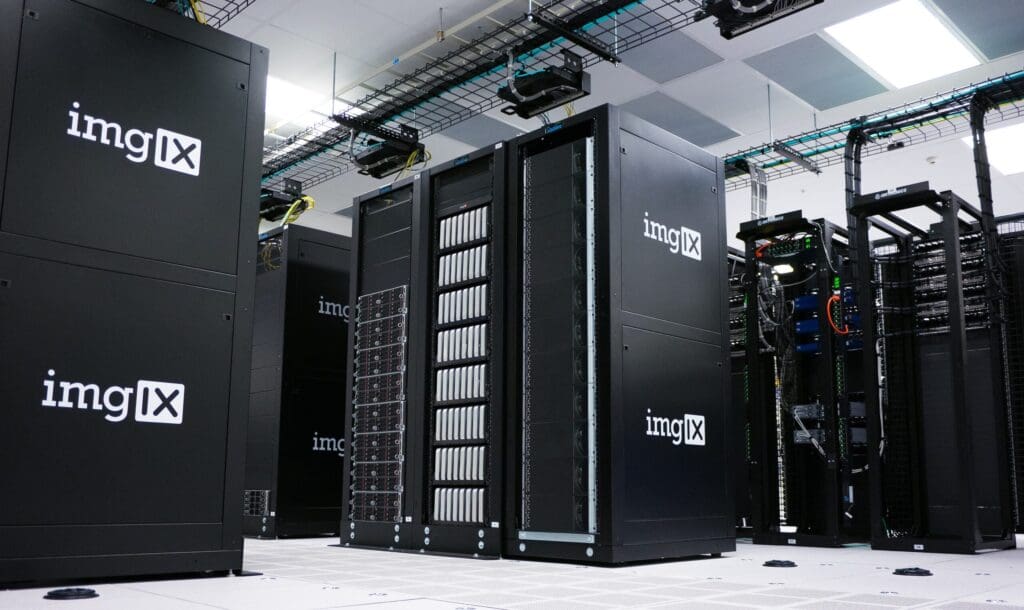
It’s easy to think of AI as an app. A chatbot. A meeting note taker. A coding assistant. A tool that rewrites your perfectly acceptable email into something that sounds like it was written by a nervous intern trying to impress the executive committee. But AI is also hardware, power, cooling, chips, memory and storage. When demand rises quickly, it competes for parts that the rest of the technology market also needs.
Gartner has forecast that rising DRAM (memory) and SSD (storage) prices will reduce global PC shipments by 10.4% and smartphone shipments by 8.4% in 2026. It also expects PC prices to rise by 17% and smartphone prices by 13% compared with 2025 levels [2].
In English, the AI boom will likely make your next laptop more expensive, even if half the business is only using it to make bullet points sound strategic.
Free AI still has a cost
There’s an old line from advertising: “If you’re not paying for the product, you are the product.” AI gives that line a second life. The question isn’t whether you’re paying. It’s what you’re paying with. Sometimes it’s money. Sometimes it’s your data, your dependency or the future price rise that arrives once the tool is embedded. The free tier isn’t free. It just keeps the cost out of sight until someone decides where to send it.
The scale of infrastructure that AI requires is a little mind boggling. The International Energy Agency (IEA) says AI model training and deployment mainly happen in data centres, where servers account for around 60% of electricity demand in modern facilities [3]. The IEA also projects electricity generation used to supply data centres to rise from 460 TWh in 2024 to more than 1,000 TWh by 2030 [4]. For context, that is enough energy to send Dr Brown’s DeLorean back to the future almost 3 billion times, which feels excessive, even by AI hype standards.
AI feels cheap only while someone else is absorbing the cost. A free tool feels like a bargain when it helps someone challenge an unfair charge, fix a problem or get advice they would normally avoid paying for. Put a price in front of the question and the behaviour changes. The question stops being “can AI help?” and becomes “is this answer worth paying for?” Transparent pricing strips away the magic and turns AI into what it always was: a cost-benefit decision.
The business case changes when usage is visible
For businesses, the lesson is simple. Don’t judge AI cost only by the licence fee. Judge it by the cost of actual use. If every prompt, summary, automation, image generation and model call had a visible charge, would the business still use AI in the same way? If the answer is no, the current business case is incomplete.
The point isn’t that AI is bad. That would be lazy and not especially useful. The point is that AI looks very different when the cost is visible. Businesses would stop treating AI as a cheap extra and start treating it like any other operating cost. If your business is exploring AI, the value case needs to stand up once usage has a visible cost. That means looking beyond licences and asking harder questions about consumption, operating impact, data use, supplier dependency and infrastructure pressure.
We can help
Meta urged its employees to use AI, and recently Meta employees consumed over 73.7 trillion tokens in a single 30-day period [5]. Each of its near 6,000 employees is estimated to use around $50,000 annually on tokens at list prices, and with 6,000 employees, that is a lot of money.
If you are developing an AI strategy, the key is to be pragmatic about where AI creates value and where it simply adds hidden cost. Understanding the cost-benefit case is becoming just as important as choosing the right tool. This is an area where we are building practical expertise, helping organisations use AI in a way that is meaningful, controlled and commercially sensible. If you want to avoid the same mistake as Meta, contact us today and start the conversation.
Richard Unaka
Lead Consultant

References
[1] Xbox Wire: https://news.xbox.com/en-us/2026/06/25/updated-xbox-console-prices/
[2] Gartner: https://www.gartner.com/en/newsroom/press-releases/2026-02-26-gartner-says-surging-memory-costs-will-reduce-global-pc-and-smartphone-shipments-in-2026
[3] International Energy Agency: https://www.iea.org/reports/energy-and-ai/energy-demand-from-ai
[4] International Energy Agency: https://www.iea.org/reports/energy-and-ai/energy-supply-for-ai
[5] AI Weekly: https://aiweekly.co/alerts/meta-caps-employee-ai-token-use-as-costs-approach-billions