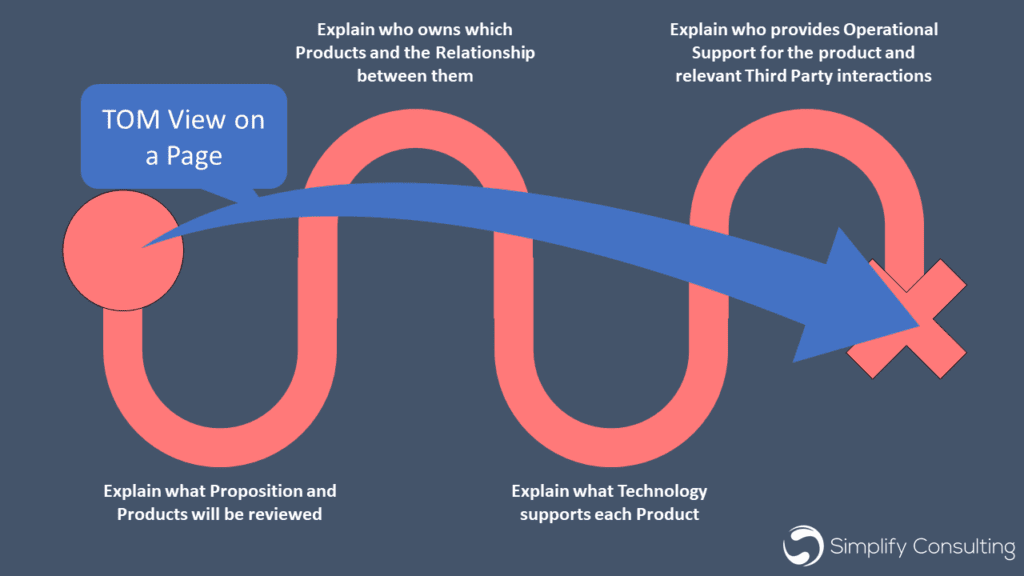
In this final instalment, attention turns to the practical challenge of operationalising the changes brought about by ISA reforms. With implementation set for April 2027, firms must now focus on reviewing and strengthening their ISA processes and target operating models to ensure they are fully prepared. Success will depend not only on strategy and proposition, but on the effectiveness and resilience of underlying operations.
A key area of focus is the management of process hand-offs. As reforms introduce more complex workflows, activities are increasingly likely to span multiple teams or functions. Without careful design, this creates inefficiencies and increases the risk of errors. Forward-looking firms will be proactively identifying areas of process “waste” and redesigning workflows to support concurrent activity, ensuring that transitions between teams are seamless. Early intervention provides the time needed to embed changes properly and avoid disruption when the reforms take effect.
Reconciliation processes will also come under greater scrutiny. The additional complexity involved in tracking ISA subscriptions creates both a challenge and an opportunity. Firms can use this as a catalyst to reassess their reliance on manual processes and explore automation and enhanced technology solutions. Reducing manual intervention not only improves efficiency but also strengthens compliance assurance, providing greater confidence in the accuracy and integrity of financial records.
Clear and effective customer communication will become even more critical in this new landscape. As rules evolve and product structures change, the risk of consumer confusion increases. Firms must ensure that communications are simple, transparent and accessible, enabling customers to understand how the reforms affect them. This will be particularly important in the context of the Consumer Duty, where regulators are likely to place even greater emphasis on firms demonstrating that customers genuinely understand the products they hold. Increased scrutiny in this area is inevitable, making communication a key component of both compliance and customer experience.
Operational risk will also be heightened in areas such as subscription management and transfer processing. Changes to ISA limits and structures increase the likelihood of errors, particularly where customers interact with multiple providers or transfer funds between accounts. Oversubscription breaches and more complex transfer scenarios could expose firms to higher remediation costs if not managed effectively. Providers that take a proactive approach, reviewing and strengthening their transfer processes now, will be better positioned to mitigate these risks and protect both themselves and their customers.
Ultimately, operational readiness will be a defining factor in the success of ISA reform implementation. Firms that invest in process optimisation, automation, clear communication and robust controls will not only reduce risk but also deliver a smoother customer experience. In doing so, they can turn operational complexity into a competitive advantage, ensuring they are well placed to navigate the transition and support customers effectively in the new ISA landscape.
Get in touch to learn more about how Simplify can help you prepare for ISA Reforms – our practitioner led services deliver high quality and value-for-money though a blend of simplicity, professionalism and delivery tenacity. Simplify Consulting. It’s what we do.

Jo Fulford
Lead Delivery Specialist