Going the extra mile shouldn’t mean working around your operating model.
National Customer Service Week is a chance to celebrate the people who go the extra mile for customers. However it is also worth asking a slightly harder question of how much of that extra mile is genuinely exceptional service, and how much is people working around the organisation simply to make the basics work?
Great service should be about judgement, empathy and doing something that genuinely helps a customer. When a good outcome depends on someone knowing who to call, which system to check or which workaround to use, that is not just a customer service issue, it is an operating model issue.
When going the extra mile becomes the operating model
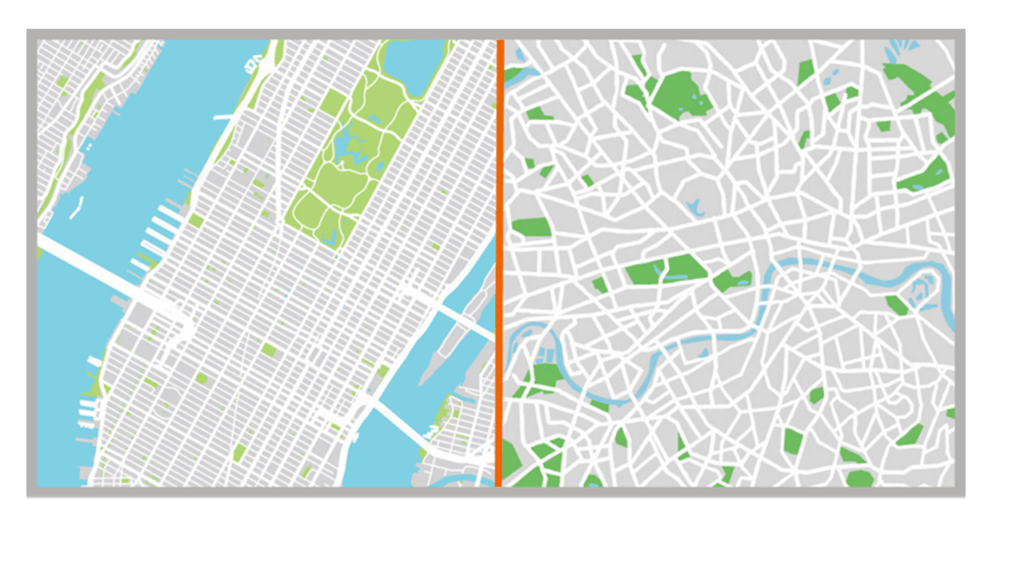
Customers do not care which team owns their case, which system holds their information or whether an activity is still within SLA. They simply know they are dealing with your organisation. Yet many businesses still design and measure customer experience vertically, function by function, process by process and system by system, while the customer experiences the journey horizontally.
Over time, perfectly understandable workarounds become normal process. Volumes grow, technology ages and expectations change. Colleagues end up chasing cases, rekeying information, explaining internal complexity and knowing who to call when the process stops working. Customers repeat information, move between teams and wait while the organisation joins itself back together.
At that point, people are no longer just delivering the service. They are becoming the interface between the organisation’s teams, systems and processes. If that happens repeatedly, it is a useful signal that the journey needs redesigning and not simply another request for people to try harder.
Fix the journey first, then use technology
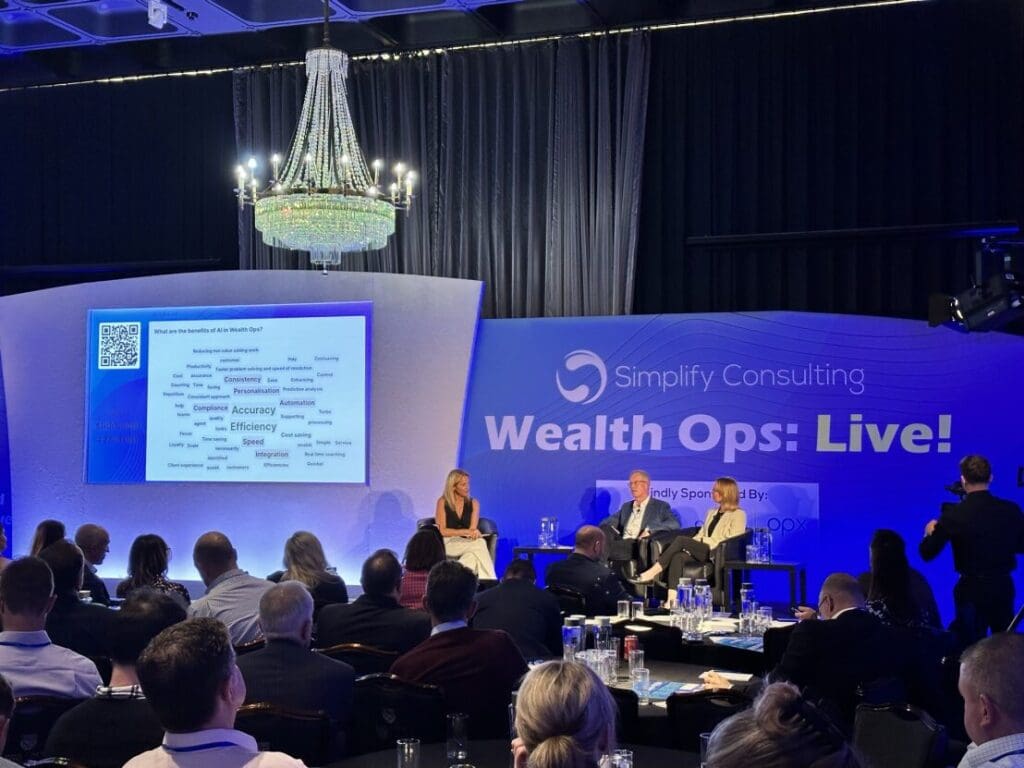
This is where technology, including AI, can make a real difference but only if it is solving the right problem. Used well, it can bring together information already held, remove repetitive searching and rekeying, surface the next action and give colleagues more time to focus on the customer.
The risk is using AI to make a fragmented process easier to live with. A smarter tool can make a poor hand off faster, but it does not remove the hand off. It can make a fragmented journey more efficient without making it a better journey.
So the better question is not simply, “Where can we put AI into this journey?” It is, if we were designing the journey now, with better data, modern technology and AI available from the outset, would we design it this way at all?
The message is simple
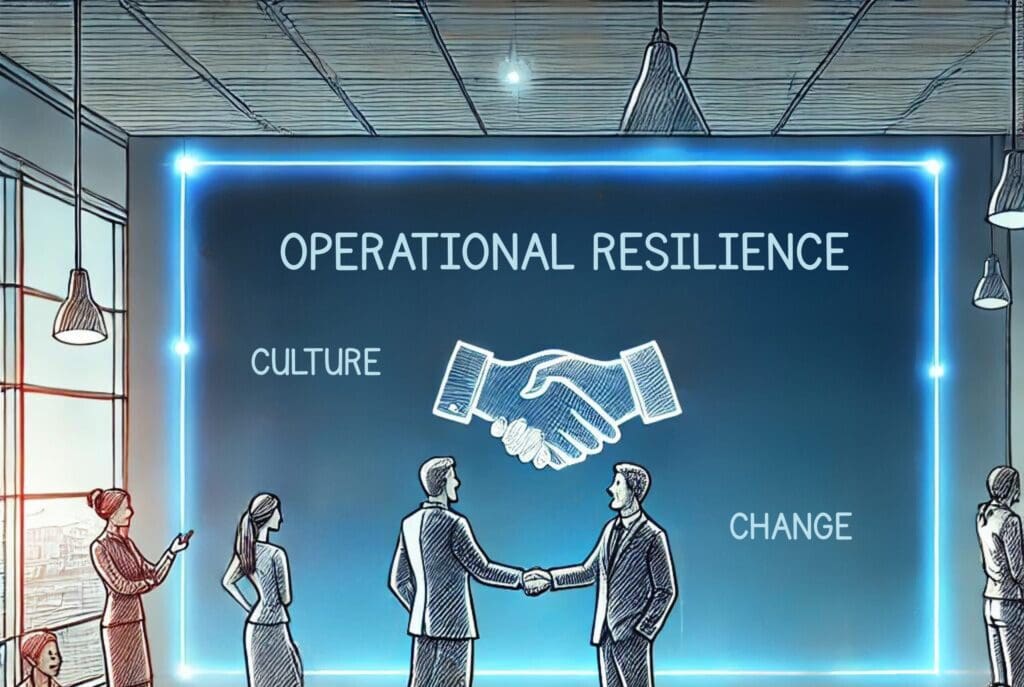
Customer experience is not something that sits apart from the business. It is the visible result of how the whole organisation works, its operating model, process, technology, data, people, controls and culture.
Going the extra mile should be about the moments where human judgement and initiative genuinely make a difference, not compensating for organisational friction we have learned to live with. Your customer does not experience your organisation chart, and your best people should not have to fight their way through it to deliver great service.
If any of this sounds familiar, talk to Simplify. We help firms look at the customer journey end to end, identify where friction is being created and redesign the operating model, process and technology around the experience the customer should actually have.

Warren Bright
Lead Consultant