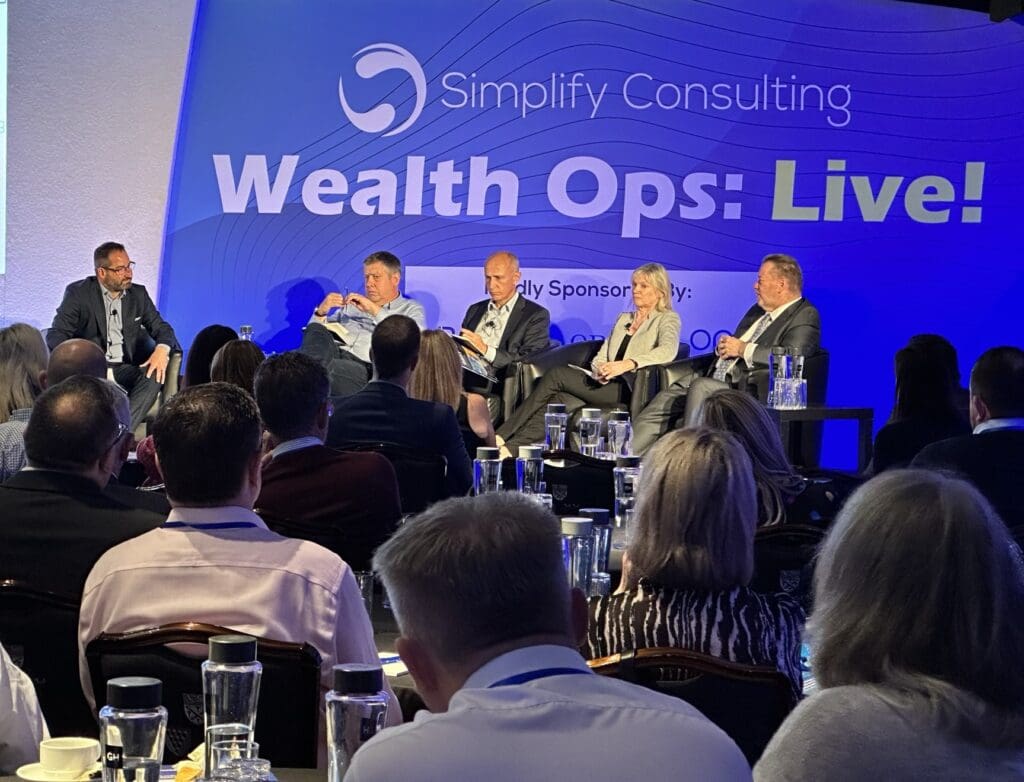
I’ve been reflecting on the recent Money Marketing Interactive event which focused on the future of advice and the role that targeted support and simplified advice will play alongside traditional regulated advice in helping to address the advice gap.
Part of the debate centred on which firms are likely to offer these propositions and the strategic choices they’ll need to make around customer segments, service models and how best to support different customer needs.
It was interesting to see the enthusiasm for expanding access to support. At the same time, there was acknowledgement that connecting adviser, digital and service channels is a challenge today and the introduction of additional layers of support has the potential to add even more complexity.
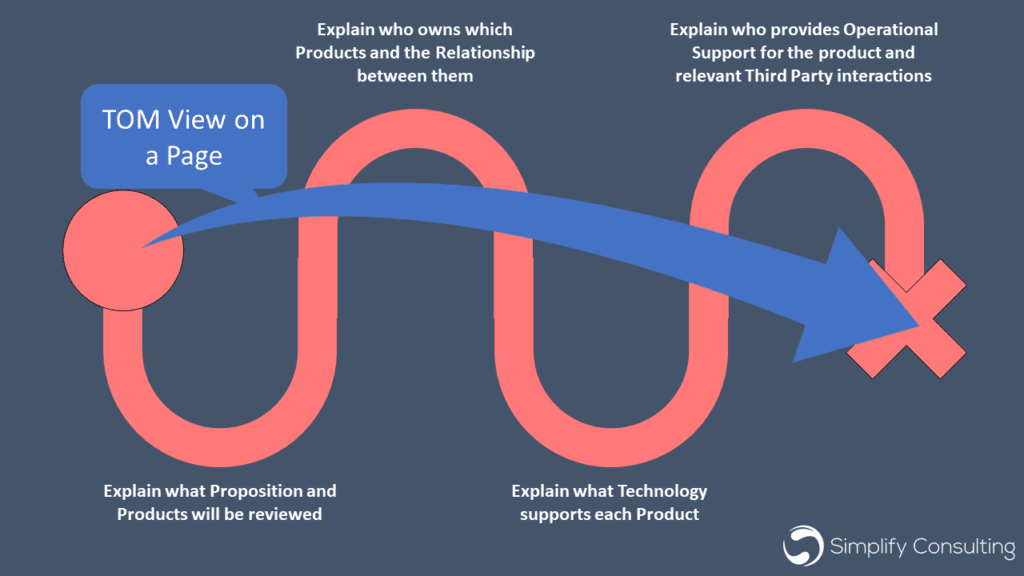
As firms develop their propositions, they’ll need to think carefully about the operating model that sits behind them and how customers move between different levels of support. It is more than just designing new services it’s also creating an experience that is scalable, commercially viable and capable of standing up to regulatory scrutiny.
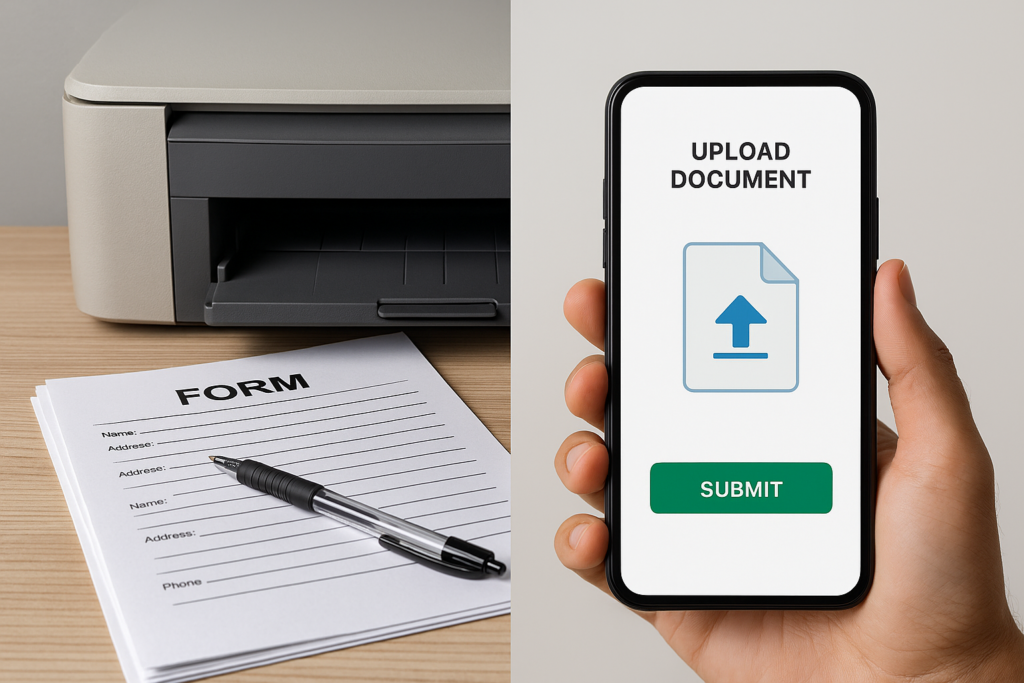
Many advice firms still operate self-service journeys, adviser-led services, digital channels and contact centres as largely separate functions. This often leads to duplicated data collection, fragmented customer views and hand-offs that introduce unnecessary friction into the customer journey.
Customers don’t engage in neat, linear journeys. They will research independently, use digital tools, seek guidance at different stages, pause decisions and return later with new questions, objectives or circumstances. They will move between channels depending on their needs, confidence and complexity of the decision they’re trying to make.
The challenge for firms will be to recognise when self-service is no longer sufficient and ensuring customers can move seamlessly to the most appropriate source of support without losing continuity or accountability along the way.
Regardless of the service being provided, firms remain accountable for delivering good customer outcomes which will require journey ownership, data, service design and governance to work across channels and services rather than being constrained by organisational boundaries.
When firms are deciding which customer segments to serve, what propositions to offer and which technologies to invest in, they will also need to consider if the services will operate as separate propositions or if they will form part of a single operating system designed around how customers behave.
At Simplify, we work with firms to establish an optimal operating model aligned to strategic objectives, leading change to make the objectives a reality, while identifying opportunities to improve both customer outcomes and business performance. If you’d like to find out more, get in touch with us.

Jayne Brown
Delivery Practice Director