I recently attended the Inclusive Design & Vulnerability Conference hosted by Ding Learning. It was a fantastic and thought-provoking afternoon, packed with insights from vulnerability specialists within the wealth sector. There were plenty of valuable discussions, but one thought lingered and felt impossible to ignore: you can’t perfect inclusive design.
Customers have different preferences, needs, experiences and circumstances, and what works brilliantly for one customer may frustrate another. So if firms set out to create a journey that works perfectly for every single customer, they’ll fail before they’ve started. Instead, the goal should be simpler and more achievable, to design experiences that help most customers achieve their desired outcomes, whilst being able to identify and support those who need something different.
That shift in thinking has important implications for how firms approach customer journeys, product design and vulnerability.
Start with the outcome, not the process
Inclusive design starts with understanding what a customer is trying to achieve. Customers don’t think in terms of internal processes, controls and operational steps. They think in terms of outcomes.
A customer wants to top up their ISA.
A customer wants to transfer a pension.
A customer wants to notify a firm that a loved one has passed away.
The customer’s objective is clear. Firms need to create safe, simple routes that keep friction to a minimum and help customers achieve that outcome.
Of course, firms still need controls because customers aren’t going to tell them that they want identity verification, payment authentication or validation checks. But those activities remain necessary. Even more so with the increase in cyber-attacks we are seeing on platforms and technology. The challenge for firms is knowing where to remove unnecessary friction and where to consciously build it to protect customers from cyber-attacks. Those protective steps should be clear and proportionate, without adding avoidable effort,
When firms begin with the customer’s intended outcome, design decisions become clearer. They can challenge every step with a simple question: does this help the customer achieve their objective, or is it just the way it’s always been done?
Looking back at Wealth Ops Live 2023
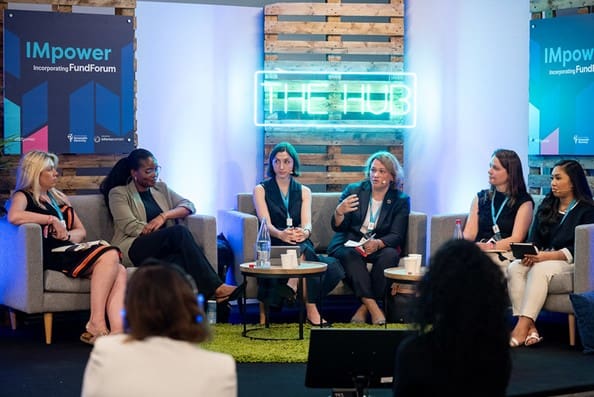
At Simplify Consulting’s Wealth Ops Live event in 2023, during a panel session on Consumer Duty and vulnerability, I argued that firms should spend less time focusing solely on identifying vulnerability and more time thinking about how processes are designed. Specifically, the focus should be less on spotting vulnerability and more on ensuring end-to-end processes deliver the right outcomes for all consumers and create seamless customer journeys.
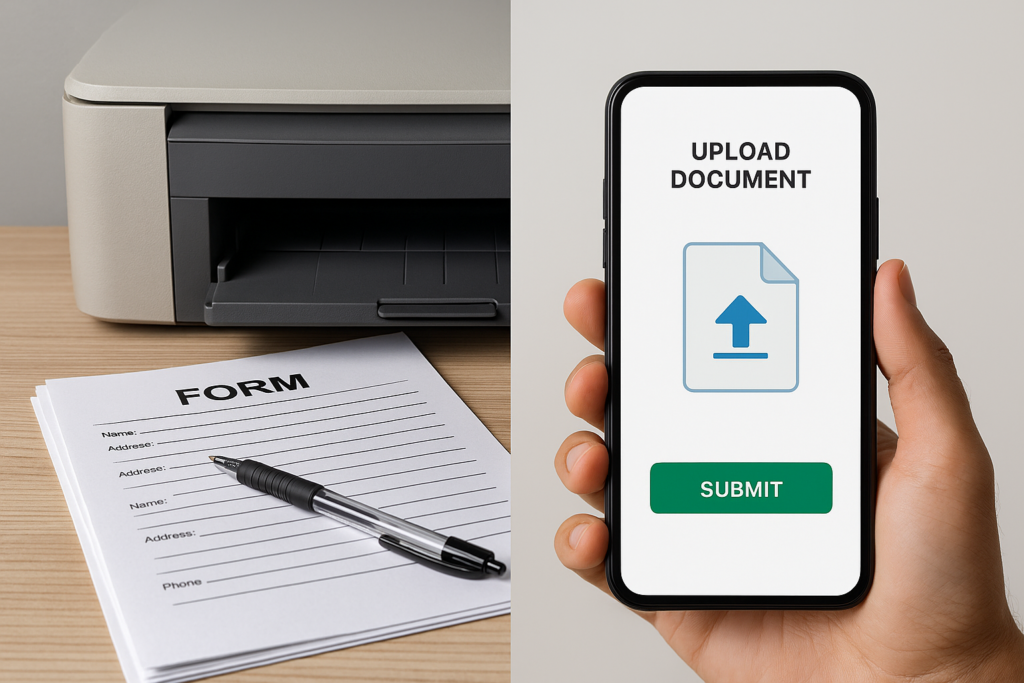
I also spoke about designing processes that are clean, simple and require less effort from customers, reducing unnecessary form filling, document signing and administrative burden. Importantly, the objective wasn’t to make life easier only for vulnerable customers. It was to make life easier for everyone.
Three years later, I think that view still holds true but what has evolved is our understanding of how to achieve it. Today, I would add another critical ingredient which is bringing customers into the design process itself.
Understand who you’re designing for
Inclusive design starts by understanding your customer base or target market in detail. Not just demographic data, but behaviours, preferences, digital confidence, communication needs and the outcomes customers are trying to achieve.
Involving customers in the design process shouldn’t be a one-off exercise undertaken before implementation – it should be continuous. That means:
- Understanding who your customers are
- Involving real customers throughout design and testing
- Ensuring diverse customer perspectives are represented
- Monitoring outcomes once solutions are live
- Continuously refining based on what you learn
Without this feedback loop, firms risk losing sight of changing customer needs. That makes it harder to keep learning and delivering good outcomes.
Understanding customer needs and delivering good outcomes remain the priorities. Technology can help firms create more inclusive experiences, but it’s only an enabler. In a future blog, we’ll explore what happens when a customer needs additional support in a digital journey, and whether a human hand-off is always the right answer.
Better, not perfect
Too often, discussions about vulnerability and inclusive design become centred on finding the perfect solution and the reality is there isn’t one.
Customer needs evolve, expectations change, technology advances and new vulnerabilities emerge.
For me, that’s what better, not perfect means for wealth firms: moving beyond designing specifically for vulnerable customers and towards journeys that work for as many customers as possible from the outset. Inclusive design means continuing to understand customers, design around outcomes, test with real people, monitor results and improve over time.
How we can help
At Simplify Consulting, we help firms understand their target markets, assess customer journeys and identify where customer friction is preventing good outcomes.
This includes:
- Customer and target market analysis
- Journey mapping and redesign
- Consumer Duty outcome assessment
- Customer research and testing
- Process optimisation with customer outcomes at the centre
Want to talk about how we could help improve your customer journeys? Get in touch.

Natasha Bridgewater
Lead Consultant