In my previous blog, I explored the importance of designing journeys around customer outcomes for true Inclusive Design. The goal isn’t to create an experience that works perfectly for everyone, it’s to help as many customers as possible achieve their expected outcomes whilst identifying and supporting those who need something different. In this blog, we explore how firms can use technology and AI within digital journeys to recognise when customers need support, offer meaningful choice and design operating models that deliver the right help at the right moments in digital journeys.
Applying thoughtful friction
Digital transformation has often focused on creating faster, simpler and more seamless experiences, but designing good digital journeys isn’t simply about removing friction. It’s about understanding which friction points should be removed, which should remain and which should be introduced intentionally. Where friction is necessary, it should be smart, proportionate and as seamless as possible for the customer.
For example, identity verification, transaction checks and customer confirmations all create friction and are controls to protect customers from fraud or financial crime, particularly with the increase in cyber-attacks we are seeing across Wealth and Financial Services. Firms must be deliberate about friction and controls and many digital programmes will capture these within journey requirements and channel functionality.
Less attention is often paid to understanding how customer behaviour within a journey could indicate uncertainty, confusion or the need for additional support. Today, firms can gather significantly more insight from digital interactions than ever before. Customers don’t always tell us they need help but very often, their behaviour does.
For example:
- Spending significantly longer than expected on a particular screen.
- Moving repeatedly backwards and forwards through a journey.
- Looking up definitions or help content multiple times.
- Repeatedly failing validation checks.
- Abandoning and restarting a process.
- Spending very little time reviewing important information before proceeding.
These behaviours don’t automatically indicate vulnerability, but they do signal that a customer may be struggling. They also provide valuable learning opportunities. If large numbers of customers encounter difficulties at the same point, the issue may not be the customer and may be the journey itself.
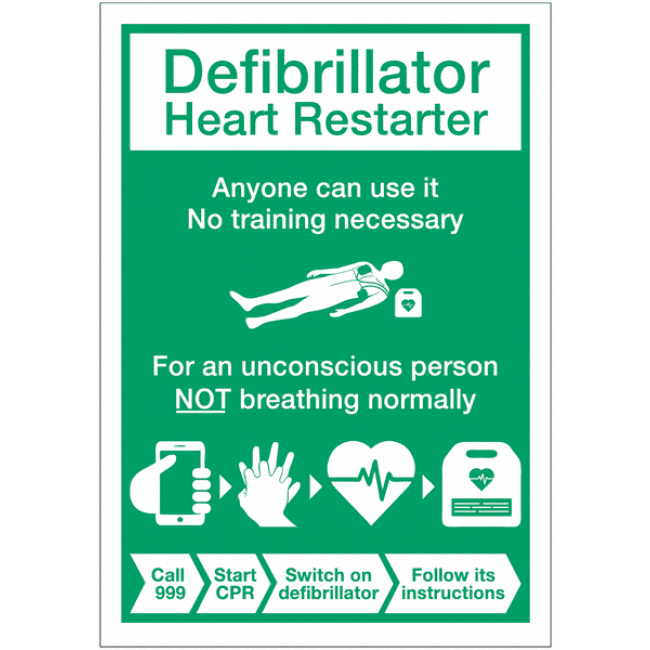
Is a human-hand off always the right answer?
Traditionally, the industry’s response has been relatively simple – if a customer needs support, hand them to a person.
But that doesn’t mean a human hand-off should always be the default response. Digital journeys operate 24 hours a day and contact centres generally don’t. Customers accessing services online often value convenience, flexibility and independence. Some may not want to wait for a callback. Others may not want to speak on the phone at all and prefer working through things at their own pace. Automatically pushing customers into a traditional support model can create unnecessary barriers and may not be the right outcome for every customer.
Instead of asking how quickly we can transfer a customer to a colleague, perhaps we should ask what support the customer actually needs. For some customers, that might be a conversation with a trained specialist, for others, it might be:
- Additional guidance within the journey or context-sensitive explanations
- AI-powered support for simple queries or live chat
- Secure messaging or online support from a colleague
- A scheduled callback at a time that suits the customer
- A face-to-face meeting or virtual session
The key principle is choice. Good customer outcomes often come from keeping customers in control. For example, if a customer does need human support, why should the firm decide how and when it happens? Could customers select a preferred communication channel? Could they choose a convenient appointment slot? Could they decide whether they want to continue through chat, messaging or a phone conversation?
These questions move us beyond human hand-offs and into customer-centred service design.
Designing the right Operating Model
Ultimately, this isn’t just a technology solution and requires an intentional Operating Model design to consider:
- Contact centre opening hours
- Channel adoption approaches
- Workforce models
- Support processes
- AI deployment plans
- Data flow and continuity across multiple channels
The future of digital journeys isn’t about removing people from the process but nor is it about automatically handing every struggling customer to a human. It needs to be about building digital journeys that provide customers with choice, learn continuously from customer behaviour and design operating models that support customers in the moments that matter most.
How we can help
At Simplify Consulting, we help firms design digital journeys, develop technology and AI use cases, assess customer outcomes and design operating models that support both efficiency and good customer outcomes.
This includes:
- Digital journey design and optimisation
- Technology and AI use case development
- Operating model design
- Consumer Duty outcome assessment
- Customer support and channel strategy
- Capability assessments across operations, technology and service teams
- Outcome monitoring and continuous improvement frameworks
Want to talk about how we could help improve your customer journeys? Get in touch.

Natasha Bridgewater
Lead Consultant